jj-jordan-1231270-unsplash-1-1600x900

How to Choose the Perfect Tattoo Design for Your Personality

Introduction

Choosing a tattoo is more than picking a beautiful image—it is a lifelong expression of who you are. A tattoo becomes part of your identity, so the design should align with your personality, values, and lifestyle. Whether it’s your first tattoo or an addition to your collection, understanding how to choose the right design is essential to avoid regrets and ensure lasting satisfaction.

1. Understand Your Personality Type

Before selecting a design, take time to reflect on your personality. Ask yourself:

  • Are you bold and expressive?
  • Calm and spiritual?
  • Artistic and creative?
  • Minimalist and simple?

Based on your personality, consider:

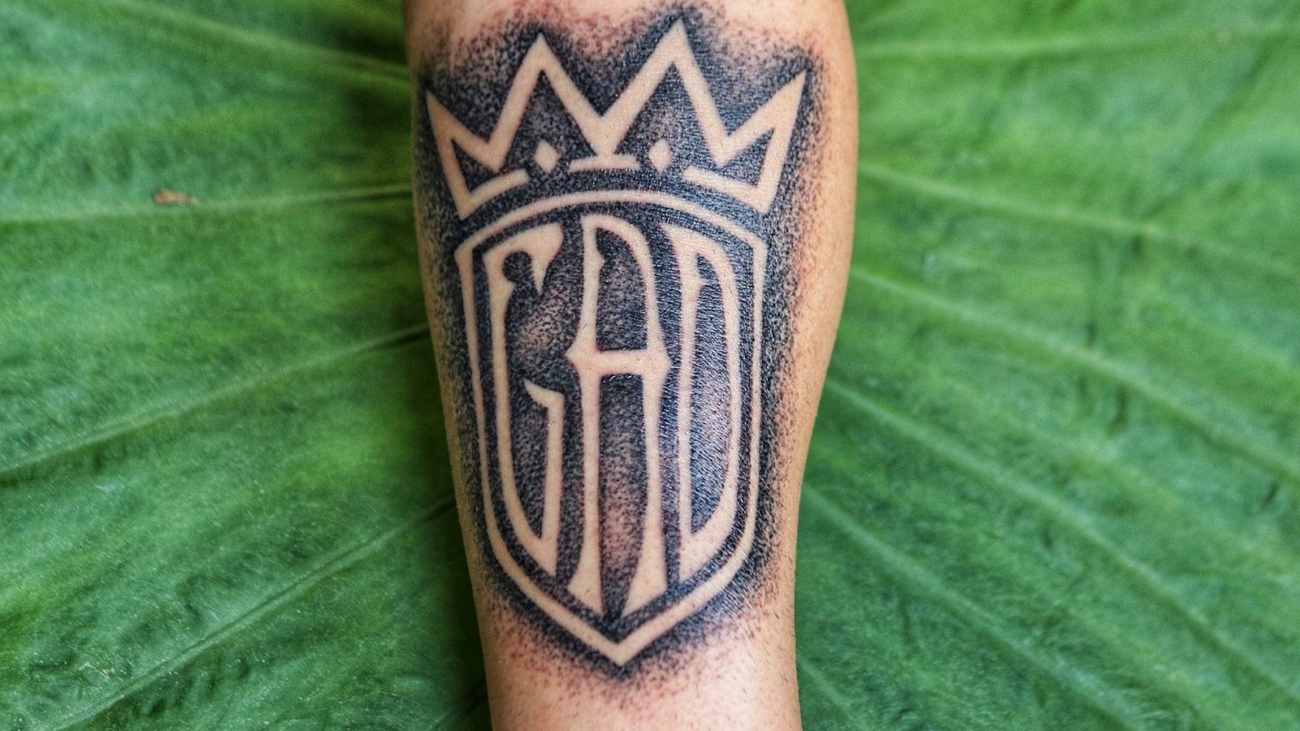
  • Bold designs: lions, skulls, dragons
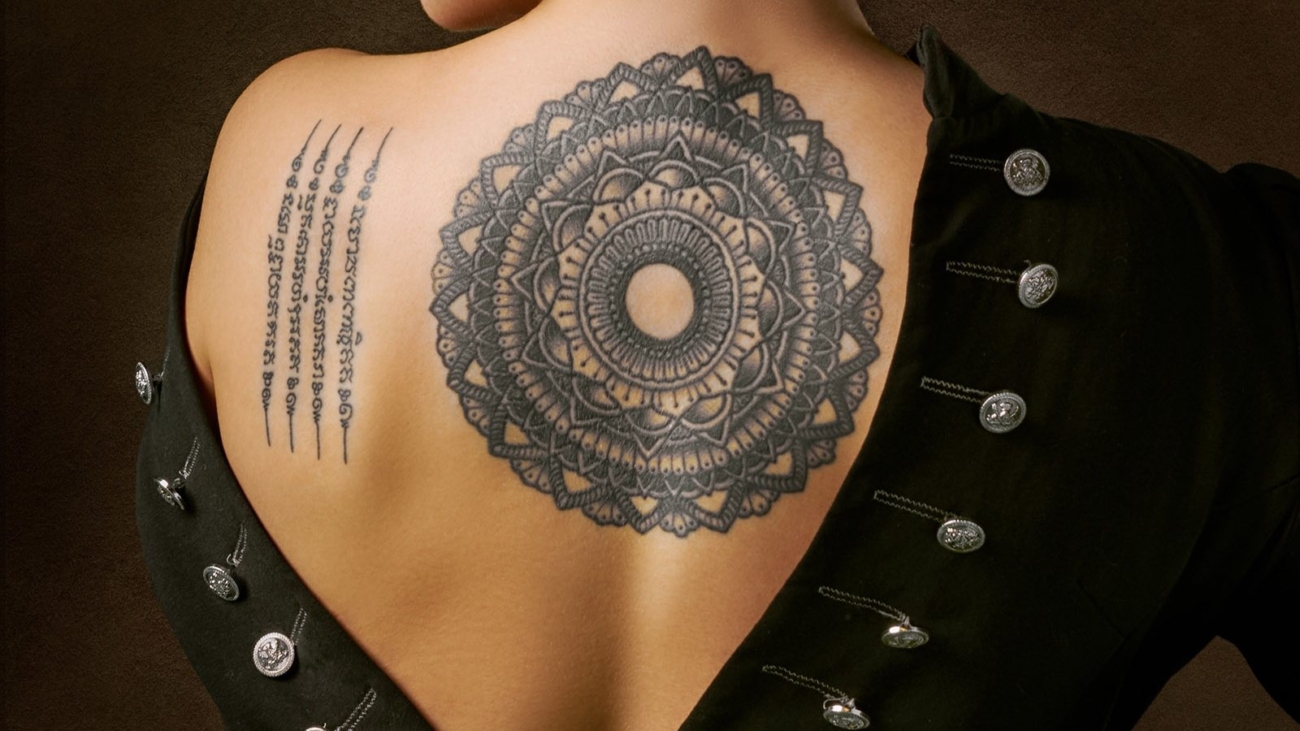
  • Spiritual symbols: mandalas, crosses, sacred geometry
  • Artistic pieces: watercolor tattoos, abstract art
  • Minimal tattoos: lines, initials, small symbols

2. Think About Meaning, Not Just Appearance

A tattoo should tell a story. Ask yourself what truly matters to you:

  • What values define me?
  • Do I want a reminder of strength, love, loss, or growth?
  • Is there a symbol that represents my journey?

Meaningful tattoos tend to remain satisfying over time because they carry emotional depth beyond aesthetics.

3. Choose a Style That Matches You

Different tattoo styles reflect different personalities:

  • Realism: expressive and detail-oriented individuals
  • Traditional: bold, classic personalities
  • Blackwork: strong, mysterious vibe
  • Watercolor: creative and artistic people
  • Minimalist: simple and modern individuals

4. Consider Placement Carefully

Your tattoo placement also reflects your personality and lifestyle:

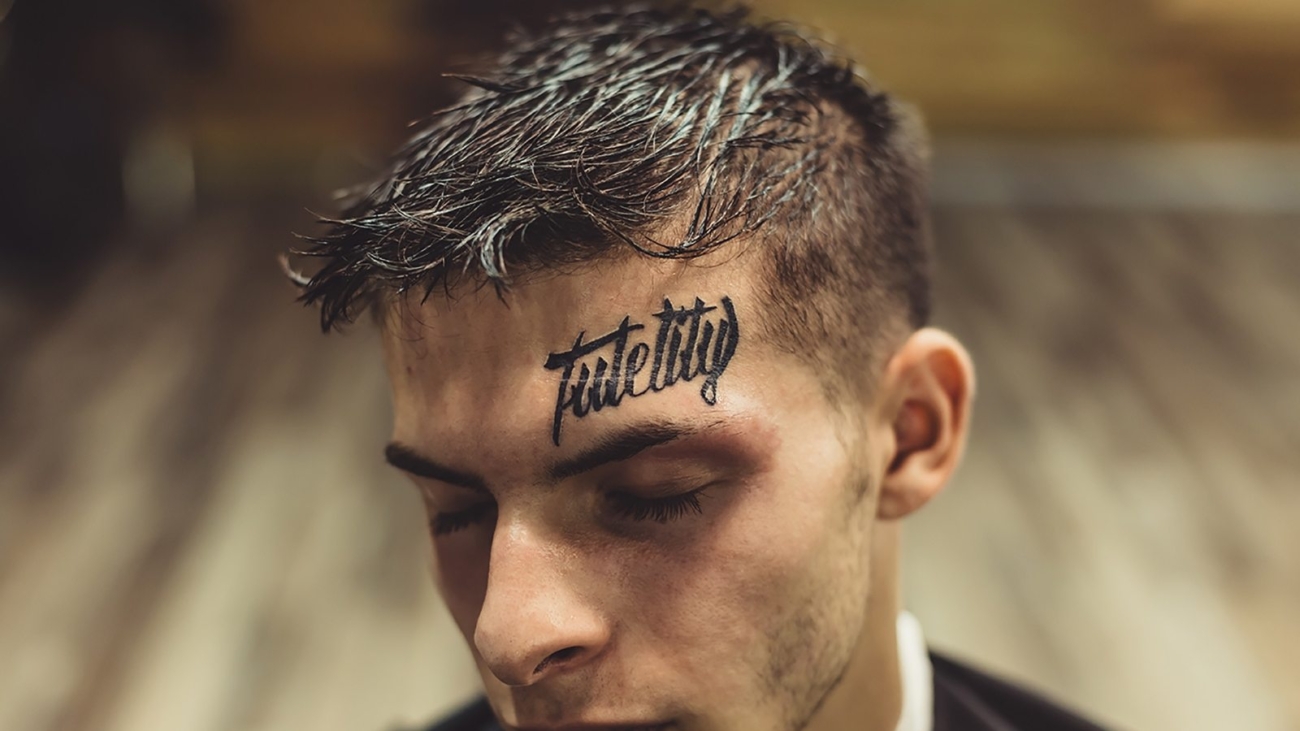
  • Visible areas (hands, neck): confident and expressive individuals
  • Arm, chest, back: balanced expression and privacy
  • Hidden areas (rib, thigh): private or reserved personalities

Always consider your work environment and daily lifestyle before choosing placement.

5. Avoid Trends, Focus on Timeless Designs

Trendy tattoos may look appealing today but can lose meaning over time. Instead:

  • Choose symbols with long-term personal meaning
  • Avoid designs chosen only because they are popular
  • Focus on emotional connection rather than trends

6. Work with a Professional Tattoo Artist

A skilled tattoo artist can refine your idea into a powerful and professional design. Always:

  • Review their portfolio
  • Clearly communicate your idea
  • Be open to professional suggestions

A good artist can transform a simple idea into a masterpiece.

7. Take Your Time Before Deciding

Never rush a tattoo decision. Instead:

  • Research different designs
  • Sketch ideas
  • Take time before finalizing
  • Seek trusted opinions

A tattoo is permanent—patience ensures better results.

Conclusion

Choosing the perfect tattoo design is about self-expression, meaning, and long-term satisfaction. When your tattoo aligns with your personality, it becomes more than body art—it becomes part of your identity. Take your time, understand yourself deeply, and choose a design you will proudly carry for life.

FAQs

1. How do I know if a tattoo suits my personality?

If the design connects with your values, emotions, or life story, it likely suits your personality.

2. What tattoo style lasts the longest?

Bold and simple styles like traditional or blackwork tend to age better over time.

3. Should I follow tattoo trends?

It’s better to avoid trends and focus on personal meaning for long-term satisfaction.

4. Can a tattoo artist help design my tattoo?

Yes, professional tattoo artists can refine your idea and create a custom design that fits your personality.
portrait-of-man-with-tattoo-PJPNNRD-2-1600x900

Microblading vs. Traditional Eyebrow Tattoos: What You Need to Know

Introduction

When it comes to enhancing your eyebrows, two popular options stand out: microblading and traditional eyebrow tattoos. While both aim to give you fuller, well-defined brows, they differ significantly in technique, appearance, longevity, and maintenance. Understanding these differences will help you choose the best option for your beauty goals and lifestyle.

What is Microblading?

Microblading is a semi-permanent cosmetic procedure that uses a handheld tool with fine needles to create hair-like strokes on the skin. The pigment is deposited into the upper layers of the skin, resulting in a natural and realistic appearance.

  • Creates fine, hair-like strokes
  • Offers a natural and soft look
  • Ideal for sparse or thin eyebrows
  • Lasts approximately 12–24 months

What are Traditional Eyebrow Tattoos?

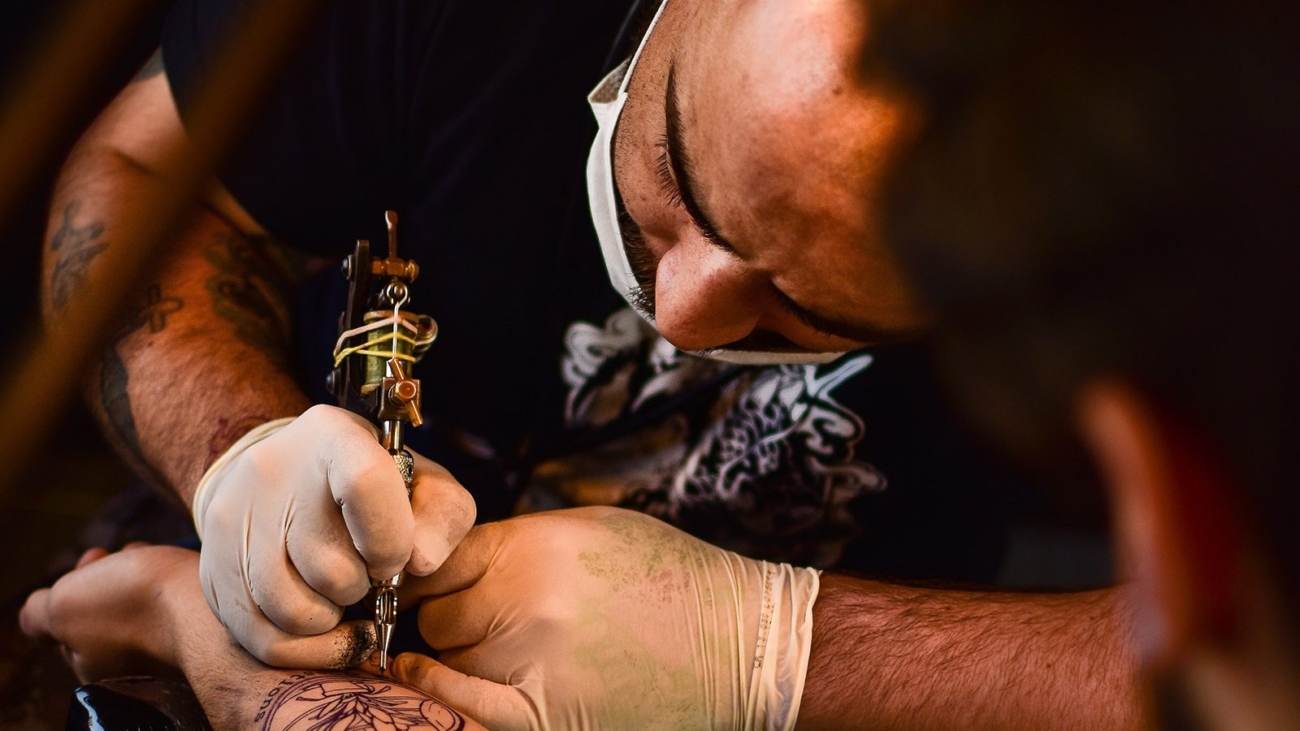
Traditional eyebrow tattoos involve using a tattoo machine to deposit ink deeper into the skin. This method creates a more defined and solid brow appearance, similar to makeup.

  • Uses a tattoo machine
  • Produces a bold, filled-in look
  • Long-lasting or permanent
  • Suitable for those who prefer a dramatic brow style

Key Differences Between Microblading and Eyebrow Tattoos

1. Technique

Microblading uses a manual tool to create fine strokes, while traditional tattoos use a machine for deeper pigment placement.

2. Appearance

  • Microblading: Natural, hair-like finish
  • Traditional Tattoo: Bold, solid, makeup-like look

3. Longevity

  • Microblading: Semi-permanent (1–2 years)
  • Traditional Tattoo: Permanent (may fade over time but does not fully disappear)

4. Pain and Healing

Both procedures involve mild discomfort, but microblading is generally less invasive and has a faster healing time.

5. Maintenance

  • Microblading: Requires periodic touch-ups
  • Traditional Tattoo: Minimal maintenance but may require color correction over time

Pros and Cons

Microblading Pros

  • Natural-looking results
  • Less invasive
  • Fades gradually for flexibility

Microblading Cons

  • Requires touch-ups
  • Not ideal for very oily skin
  • Shorter lifespan

Traditional Tattoo Pros

  • Long-lasting results
  • Bold and defined look
  • Less frequent maintenance

Traditional Tattoo Cons

  • Less natural appearance
  • Difficult to remove or adjust
  • May fade into unnatural tones over time

Which One is Right for You?

Choose microblading if you want a soft, natural enhancement and are comfortable with occasional touch-ups.

Opt for a traditional eyebrow tattoo if you prefer a bold, defined look and want a longer-lasting solution.

Your skin type, lifestyle, and personal style should all influence your decision. Consulting with a professional technician can help you determine the best option.

Aftercare Tips

  • Avoid water and sweat for the first few days
  • Do not pick or scratch the treated area
  • Follow your technician’s aftercare instructions carefully
  • Use recommended healing ointments

Conclusion

Both microblading and traditional eyebrow tattoos offer unique benefits. The right choice depends on your desired look, maintenance preference, and how long you want the results to last. By understanding the differences, you can confidently choose the option that enhances your beauty and fits your lifestyle.

FAQs

1. Is microblading better than eyebrow tattoos?

It depends on your preference. Microblading is better for a natural look, while tattoos are ideal for a bold, long-lasting style.

2. How long does microblading last?

Typically between 12 to 24 months, depending on skin type and aftercare.

3. Do eyebrow tattoos fade?

Yes, they may fade over time but usually do not disappear completely.

4. Which option is less painful?

Microblading is generally less invasive and slightly more comfortable than traditional tattooing.

julia-giacomini-478209-unsplash-1-1600x900

Tattoo Aftercare: Tips for Faster Healing and Long-Lasting Ink

Introduction

Getting a new tattoo is exciting, but proper aftercare is what ensures your ink heals beautifully and stays vibrant for years. Without the right care, tattoos can fade, blur, or even become infected. Whether it’s your first tattoo or you’re a seasoned collector, following the right aftercare routine is essential for the best results.

Why Tattoo Aftercare Matters

A fresh tattoo is essentially an open wound. Proper aftercare helps:

  • Prevent infection
  • Reduce scabbing and irritation
  • Maintain color vibrancy
  • Ensure clean, sharp lines

Immediate Aftercare (First 24–48 Hours)

  • Keep the bandage on for the time recommended by your artist
  • Gently wash the tattoo with lukewarm water and mild, fragrance-free soap
  • Pat dry with a clean towel—do not rub
  • Apply a thin layer of recommended ointment

Daily Care Routine

For the next 2–3 weeks, follow a consistent care routine:

  • Clean your tattoo 2–3 times daily
  • Keep it lightly moisturized
  • Avoid tight clothing that may irritate the area
  • Do not scratch or pick at scabs

What to Avoid During Healing

  • Direct sunlight exposure
  • Swimming in pools, oceans, or hot tubs
  • Excessive sweating
  • Harsh skincare products

Signs of Proper Healing

As your tattoo heals, you may notice:

  • Light scabbing or peeling
  • Itchiness
  • Slight dullness before colors settle

These are normal parts of the healing process.

Warning Signs to Watch Out For

Contact a professional if you notice:

  • Severe redness or swelling
  • Pus or unusual discharge
  • Persistent pain
  • Fever or chills

Long-Term Tattoo Care Tips

  • Always apply sunscreen (SPF 30 or higher) to protect your tattoo
  • Keep your skin hydrated
  • Avoid prolonged sun exposure
  • Schedule touch-ups if needed

Best Products for Tattoo Aftercare

  • Fragrance-free moisturizers
  • Antibacterial soap
  • Specialized tattoo healing ointments

Conclusion

Proper tattoo aftercare is the key to preserving the beauty and quality of your ink. By following these simple yet effective steps, you can ensure faster healing and long-lasting results. Treat your tattoo with care, and it will remain a vibrant piece of art for years to come.

FAQs

1. How long does a tattoo take to heal?

Most tattoos heal on the surface within 2–3 weeks, but complete healing can take up to 4–6 weeks.

2. Can I use regular lotion on my tattoo?

Only fragrance-free and gentle lotions are recommended during the healing process.

3. Is itching normal after getting a tattoo?

Yes, itching is a normal part of healing, but avoid scratching.

4. When can I swim after getting a tattoo?

You should wait at least 2–3 weeks or until the tattoo is fully healed before swimming.

massimiliano-greco-516589-unsplash-1600x900

Everything You Should Know Before Getting a Tattoo Removed

Introduction

Tattoos are meant to be permanent, but circumstances and preferences can change over time. Whether it’s a design you no longer connect with or a poorly done tattoo, removal is now a safe and effective option thanks to modern technology. Before you begin the process, it’s important to understand how tattoo removal works, what to expect, and the factors that can affect your results.

How Tattoo Removal Works

The most common method of tattoo removal is laser treatment. Laser technology breaks down the ink particles in your skin into smaller fragments, which your body gradually removes over time through its natural processes.

  • Targets pigment without damaging surrounding skin
  • Works in multiple sessions
  • Gradually fades the tattoo

Types of Tattoo Removal Methods

1. Laser Removal (Most Popular)

  • Safe and effective
  • Minimal scarring when done professionally
  • Requires multiple sessions

2. Surgical Removal

  • Physically cuts out the tattooed skin
  • Suitable for small tattoos
  • Leaves a scar

3. Dermabrasion

  • Uses a device to sand down the skin
  • Less common today
  • Higher risk of irritation and scarring

What to Expect During the Process

Tattoo removal is not a one-time procedure. Depending on the size, color, and depth of your tattoo, you may need multiple sessions spaced weeks apart.

  • Each session lasts 15–60 minutes
  • Mild discomfort (often compared to a rubber band snap)
  • Gradual fading over several weeks

Factors That Affect Tattoo Removal

  • Ink color: Black ink is easiest to remove; colors like green and blue are more stubborn
  • Tattoo age: Older tattoos fade faster
  • Skin type: Different skin tones respond differently
  • Tattoo depth: Deeper ink requires more sessions

Does Tattoo Removal Hurt?

Tattoo removal can be uncomfortable, but most clinics use cooling devices or numbing creams to reduce pain. The sensation is often described as similar to a snapping rubber band against the skin.

Risks and Side Effects

While generally safe, tattoo removal may have some side effects:

  • Redness and swelling
  • Temporary blistering
  • Skin discoloration (lightening or darkening)
  • Rare risk of scarring

Aftercare Tips

  • Keep the area clean and dry
  • Avoid sun exposure
  • Do not pick at blisters or scabs
  • Follow your specialist’s instructions carefully

How Much Does Tattoo Removal Cost?

The cost varies depending on the size and complexity of the tattoo, as well as the number of sessions required. Smaller tattoos are more affordable, while larger or colorful tattoos require more sessions and higher costs.

Can a Tattoo Be Completely Removed?

Many tattoos can be significantly faded or fully removed, but results vary. Some tattoos may leave a faint shadow or slight skin discoloration after treatment.

Is Tattoo Removal Right for You?

Tattoo removal is ideal if you:

  • No longer connect with your tattoo
  • Want to replace it with a new design (cover-up)
  • Prefer clear skin

Conclusion

Tattoo removal is a safe and effective solution for those looking to erase or fade unwanted ink. By understanding the process, risks, and expectations, you can make an informed decision and achieve the best possible results. Always consult a qualified professional to ensure a safe and successful experience.

FAQs

1. How many sessions does tattoo removal take?

Most tattoos require between 5 to 10 sessions, depending on size and color.

2. Is tattoo removal permanent?

Yes, the results are permanent, although some tattoos may not fully disappear.

3. Can all tattoo colors be removed?

Black ink is easiest to remove, while lighter colors may require more sessions.

4. How long should I wait between sessions?

Typically 6–8 weeks to allow the skin to heal and the body to process the ink.